Guides·News
How Tariffs Could Fuel U.S. Investment: Trump’s Bold Claim Explained (July 2026)
July 2026 explainer on Trump’s claim that tariffs can fuel U.S. investment: Economic Times context, Smoot-Hawley caution, steel and agriculture case studies, and business takeaways.
Trump argued tariffs can draw huge U.S. investment instead of harming the economy. Here’s the investment thesis, steel and farm case studies, retaliation risk, and what firms watch next.
Tariffs sit at the centre of almost every modern trade argument. In a July 2026 discussion covered by Economic Times, Donald Trump argued that tariffs would not wreck the U.S. economy — and could instead pull hundreds of billions of dollars of investment into American production as companies try to avoid import taxes by building locally.
That claim is bold because tariffs rarely move in a straight line. They can shelter some factories, raise costs for others, push consumer prices up, and invite retaliation. This explainer walks through the investment thesis, the historical warnings, industry case studies, and what businesses and policymakers usually watch next.
02The core claim: tariffs as an investment magnet
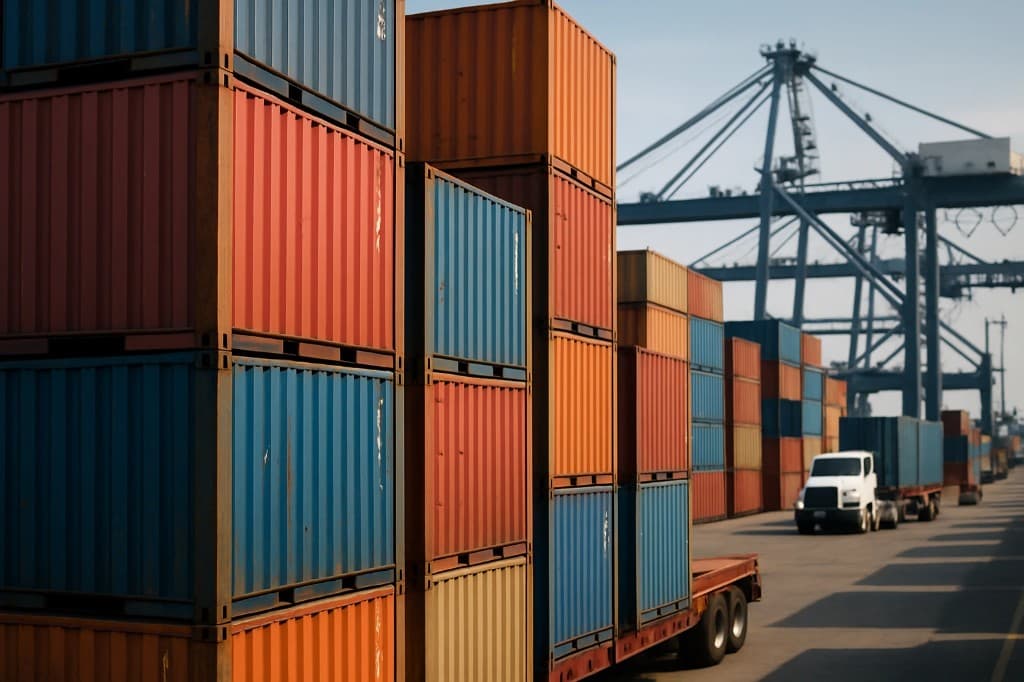
The investment thesis is simple on paper. Raise the cost of imported finished goods (or key inputs), and foreign exporters face a choice: lose U.S. market share, absorb the tax in thinner margins, or relocate production inside the United States to sell “duty-light.”
Trump’s framing, as reported by Economic Times, leans on that third path — that tariff pressure can unlock large domestic investment announcements, plant expansions, and supplier ecosystems that follow manufacturers.
- Higher import prices can improve the relative competitiveness of U.S.-made alternatives
- Firms may reshore or nearshore to reduce tariff exposure and shipping risk
- Local hiring and capital spending can follow if projects clear financing and permitting
- The upside depends on whether partners retaliate and whether input costs surge
03Why economists still argue about the net effect
Protection can help a targeted industry while taxing everyone downstream. A steel tariff may help mills and hurt auto, appliance, and construction buyers. Those higher costs can show up as higher consumer prices — an inflationary channel that can offset early employment gains in the protected sector.
Businesses that rely on imported components face an immediate margin squeeze. Some pass costs to customers; some cut investment elsewhere; some redesign products or switch suppliers. Forbes and other business outlets have long framed the debate as short-term shelter versus longer-term supply-chain pressure.
04Historical caution: Smoot-Hawley and retaliation risk
The Smoot-Hawley Tariff Act of 1930 remains the classic warning case. Broad tariff hikes coincided with collapsing global trade and retaliatory barriers during the Great Depression era. Historians debate how much the Act caused versus amplified the crisis, but the political lesson stuck: partners respond, and spirals are hard to stop.
Modern tariff packages are usually more targeted than 1930s across-the-board walls — yet retaliation still matters. When one country taxes imports, exporters in agriculture, energy, or machinery often become bargaining chips.
05Industries and consumers: winners, losers, and pass-through
Assume tariffs invite large investment, as the Economic Times report summarised. Even then, economists debate distribution. Sheltered producers may expand capacity. Import-heavy manufacturers may see higher bills for metals, electronics, chemicals, or machinery.
The 2018 U.S. steel and aluminum tariffs illustrated the split screen: some domestic metal producers reported stronger pricing and demand, while automotive and construction buyers complained about higher input costs that complicated competitiveness.
- Protected upstream sectors can gain pricing power and plant utilisation
- Downstream manufacturers may delay projects if materials jump in price
- Consumers can face higher sticker prices when pass-through is strong
- Import-dependent small firms often have less room to absorb shocks than multinationals
06Case study: agriculture and retaliatory tariffs
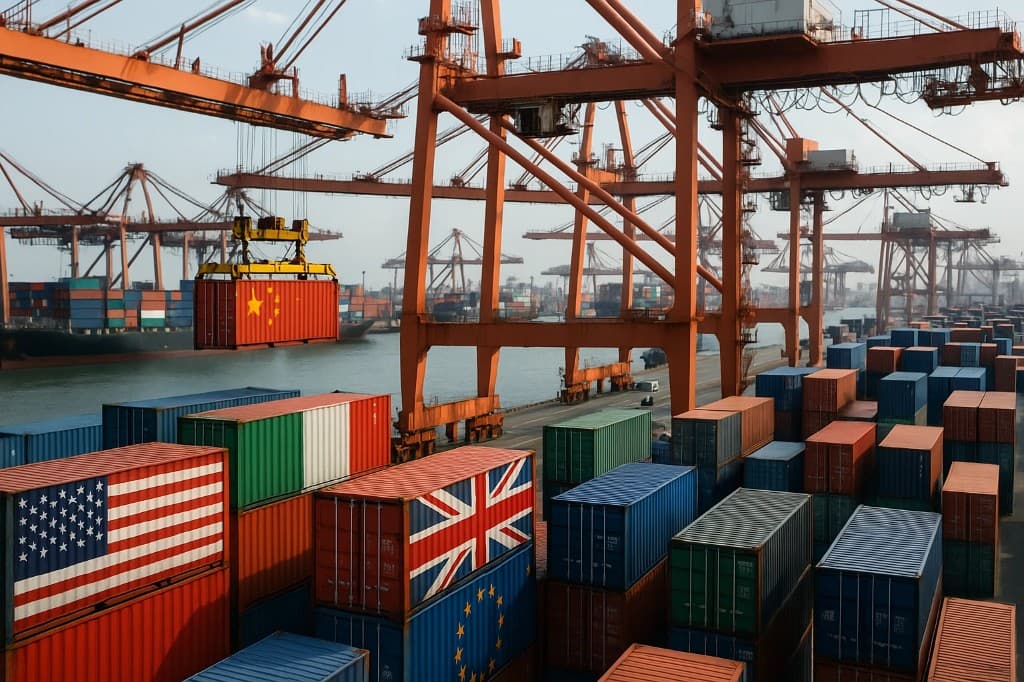
Retaliation often hits politically sensitive export sectors. During prior U.S.–China tariff rounds, American agriculture faced sharp export pressure in several commodities. Reporting from outlets including the New York Times documented farm income stress and larger government support programmes designed as temporary buffers.
Subsidies can cushion cash flow, but they also raise questions about long-term market balance: who stays competitive when support fades, and how trading partners rewrite sourcing permanently.
07Case study: steel tariffs and local investment signals
Steel tariffs in 2018 are frequently cited as a live experiment. Some U.S. steelmakers reported better margins and incentives to invest. At the same time, metal-using industries argued the “tax” landed on their cost sheets.
That dichotomy is the practical lesson for the July 2026 claim: tariffs can stimulate investment in the protected pocket while taxing investment appetite elsewhere. Industry groups such as the American Iron and Steel Institute have argued that tariffs supported more sustainable domestic pricing; downstream buyers often published the opposite ledger.
- Look for plant announcements, restart of idle capacity, and supplier clustering
- Track metal price spreads between import and domestic quotes
- Watch auto and construction commentary on material surcharges
- Separate press-release investment pledges from shovels-in-ground timelines
08Trade relations and the diplomacy tax
Tariff strategy is also foreign policy. Tit-for-tat measures can harden into longer trade conflicts that raise uncertainty for capital spending. Companies dislike building factories into a moving target of duties, exemptions, and quotas.
Policymakers therefore weigh immediate leverage against the risk of thinner alliances and diverted trade routes. Investment that arrives to dodge a tariff can leave again if the tariff map changes — unless the U.S. location also wins on skills, energy, logistics, and demand.
09How firms usually respond on the ground
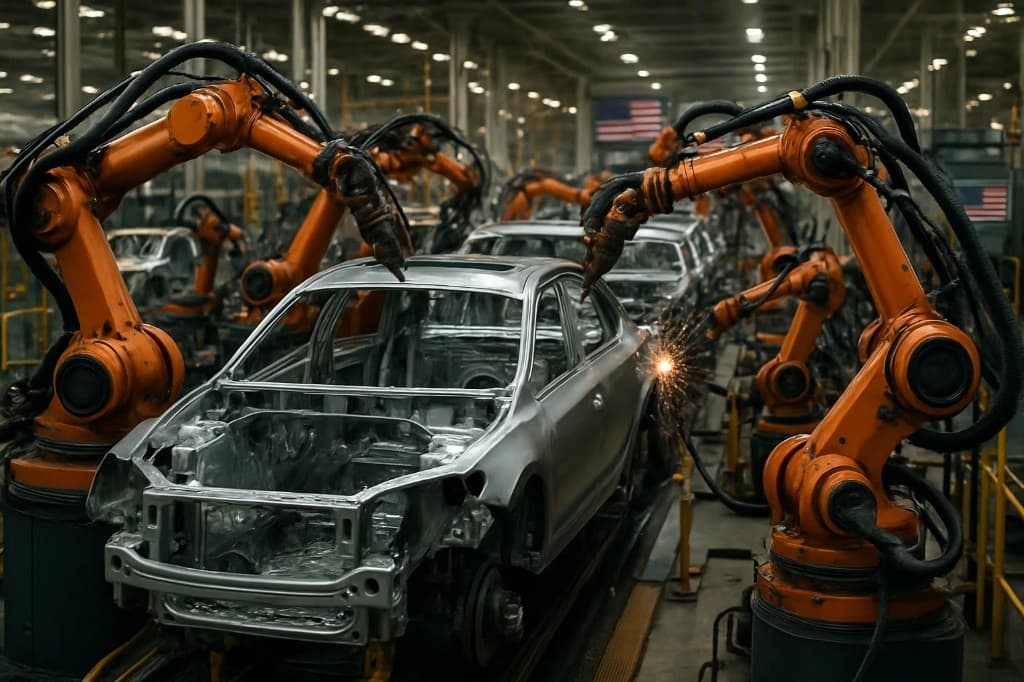
When duties rise, operations teams do not wait for academic consensus. They model landed cost, renegotiate contracts, dual-source critical parts, and sometimes move final assembly closer to customers.
- Reshoring or expanding U.S. assembly when duty math and labour markets allow
- Nearshoring to partners with preferential access or lower logistics friction
- Substituting materials or redesigning SKUs to use non-tariffed inputs
- Investing in automation to offset higher domestic labour or input costs
- Hedging margin risk with pricing power, contracts, or inventory buffers
10What investors watch beyond the headline claim
For markets, the question is less “tariffs good or bad?” and more “which cash flows win?” Equity investors map sector exposure; manufacturers watch exemption lists; households feel CPI categories tied to goods.
Policy uncertainty also pushes some investors toward hedges and real assets. Gold-linked products are one common refuge narrative when trade headlines spike — though gold has its own drivers. Readers comparing physical versus app-based exposure can start with our guide on digital gold vs physical gold, and check live city prices on the gold rates tool.
- Sector P&L: metals producers vs metal users
- Currency and import-price channels into inflation prints
- Corporate guidance language on tariffs, surcharges, and capex
- Diplomatic calendar: talks, exemptions, and retaliation lists
11Takeaways for businesses
Adaptability beats slogans. Firms that treat tariffs as a scenario-planning problem — not a one-time shock — usually keep more options open.
- Model duty rates on both finished goods and critical inputs
- Diversify suppliers before a crisis forces panic switches
- Consider domestic capacity or automation where unit economics clear
- Preserve pricing discipline; not every cost can be passed through forever
- Track reshoring data and customer demand before betting the balance sheet
12Takeaways for policymakers
If the goal is durable investment — not only announcement theatre — tariff tools work best beside complementary policy: workforce training, permitting speed, infrastructure, and targeted support for sectors hit by retaliation (often agriculture and selected manufacturers).
Open-trade channels still matter for inputs the U.S. does not produce competitively. Balancing protection with partnership is the hard part of making “tariffs as investment magnets” stick beyond a news cycle.
13Bottom line
Trump’s July 2026 claim — that tariffs can fuel large U.S. investment rather than simply harm the economy — rests on a real mechanism: duties can change where companies choose to produce. History and industry case studies show the other half of the ledger: higher costs, retaliation, and uneven winners.
Whether the net effect looks like a manufacturing renaissance or a costly trade spiral depends on design, diplomacy, and whether pledged factories become operating plants. Treat bold investment numbers as a hypothesis to test against data — plant openings, import prices, farm exports, and consumer inflation — not as a settled score.
Key takeaways
- The investment thesis: tariffs raise import costs and can push firms to build or expand inside the U.S.
- Protected upstream industries may gain while downstream users and consumers face higher prices.
- Retaliation — especially in agriculture — can erase gains and force subsidy buffers.
- 2018 steel tariffs showed split outcomes: stronger mills, costlier metal for manufacturers.
- Durable wins need more than duties: skills, infrastructure, and clear, stable rules.
Frequently asked questions
Did Trump say tariffs would help U.S. investment in July 2026?+
Economic Times reported Trump arguing that tariffs would not harm the U.S. economy and could instead draw large investment as companies localise production to bypass duties. Always read the primary coverage for exact wording and context.
Do tariffs always raise consumer prices?+
Not always one-for-one, but higher import costs often pass through when substitutes are limited and sellers have pricing power. The size of the effect varies by product and competition.
Can tariffs bring factories back to the United States?+
They can change the math in favour of domestic production, and some firms do announce U.S. investment in response. Many projects still depend on labour, energy, logistics, permits, and whether tariff policy looks stable.
What was Smoot-Hawley?+
A 1930 U.S. tariff law associated with rising trade barriers and retaliation during the Great Depression era. It is often cited as a cautionary tale against broad protectionism, even though historians debate how large its causal role was.
How should businesses prepare?+
Map tariff exposure on inputs and finished goods, dual-source critical parts, scenario-plan retaliation, and only commit to major capex when unit economics work under more than one policy outcome.
Read Rishtaara Editorial Policy → · Corrections Policy →
Done reading?
Browse more guides on careers, marketing, tools, and everyday skills — or copy this article to share later.