Guides·Global
Silver Investment Guide for Beginners in India
Beginner silver investment guide for India: why silver moves, physical vs ETF routes, purity tips, and a practical starter plan.
How to invest in silver in India — physical metal, ETFs/funds, purity basics, volatility vs gold, and mistakes that turn gifts into bad “investments.”
Silver gets less wedding-season attention than gold in India, but it matters — for jewellery, utensils and gifts in some traditions, industrial demand, and as a more volatile precious-metal twin to gold.
This beginner guide covers how silver investing works in India, what moves silver prices, and how to avoid treating decorative silver the same as an investment product.
02Why People Buy Silver
- Cultural gifting and household use
- Diversification alongside gold and financial assets
- Industrial and solar-related demand narratives (long-term themes, not daily trading signals)
- Lower price per gram than gold — easier to buy tangible weight
03Ways to Get Silver Exposure in India
Similar to gold, you can choose physical metal or financial products. Costs and liquidity differ a lot.
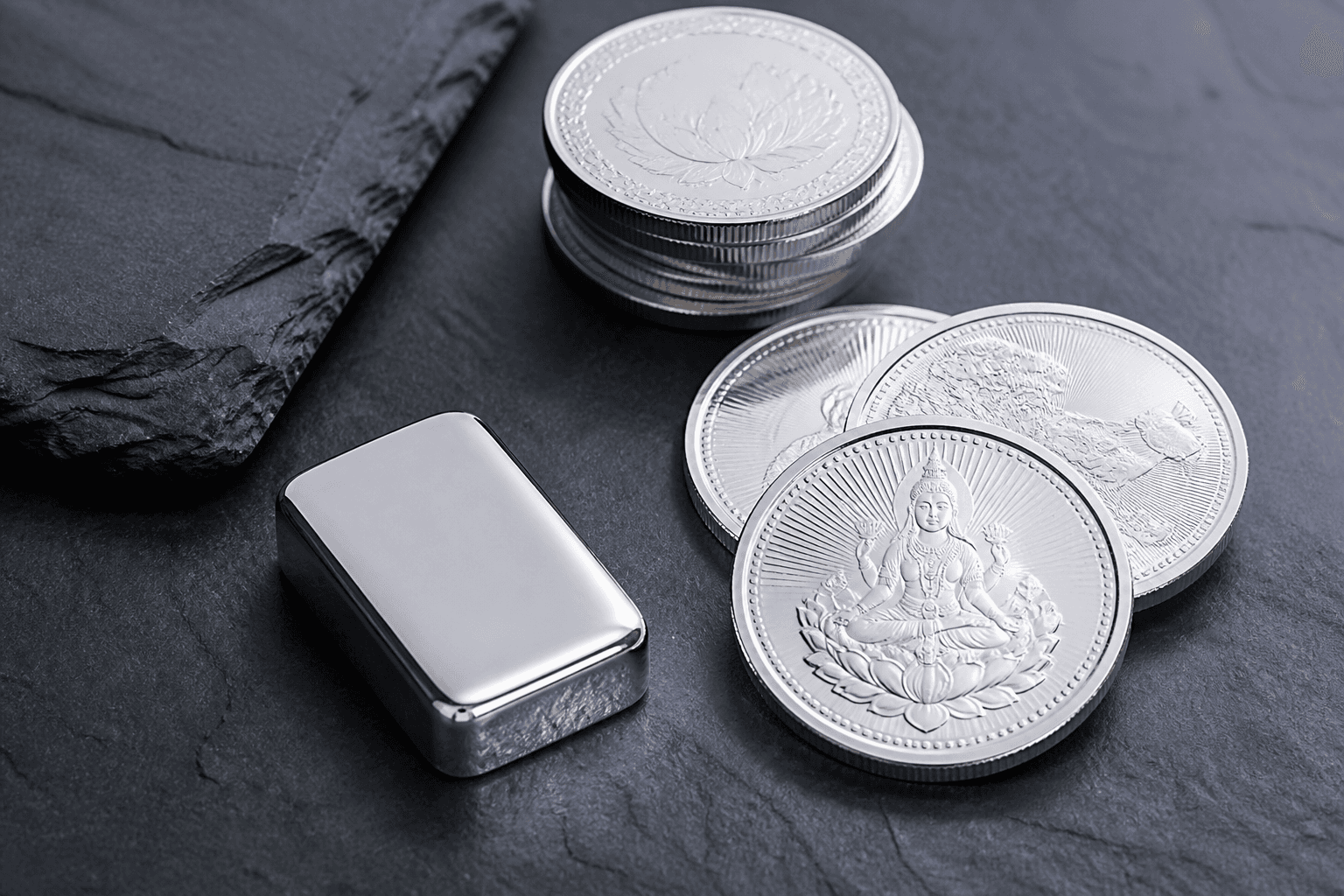
- Physical silver: coins, bars, jewellery — check purity and dealer reputation
- Silver ETFs / silver funds: demat or mutual-fund route linked to silver prices
- Digital silver on some apps: convenience with spreads and custody questions
- Avoid assuming every silver ornament is an efficient investment
04Purity and Buying Basics
- Ask for purity marks and a proper invoice
- Compare per-gram quotes carefully (unit mistakes happen)
- Factor making charges on jewellery separately from metal value
- Store safely — silver is bulkier than gold for the same rupee amount
05Silver vs Gold Behaviour
Both respond to global risk sentiment, the dollar, and real rates — but silver’s industrial link can amplify moves. In risk-off or recession fears, industrial demand worries can pressure silver even when gold holds up as a haven.
- Expect higher volatility than gold in many periods
- Do not assume silver “must catch up” to gold’s percentage move
- Use silver as a satellite holding, not the core emergency fund
06Practical Beginner Plan
- Decide goal: gift/use vs investment
- For investment, prefer transparent ETFs/funds if you do not need physical metal
- Start small; add via SIP-like buys if using funds
- Track all-in cost: spread, expense ratio, making charges
- Rebalance if silver balloons into too large a share of your portfolio
07Mistakes to Avoid
- Buying heavy silver jewellery and calling it a high-return investment
- Ignoring storage and theft risk for large physical holdings
- Chasing tips after a sharp weekly rally
- Putting money needed in 3–6 months into volatile silver

08Final Thoughts
Silver can complement gold in a diversified metals sleeve — especially if you understand its sharper swings. Keep cultural silver purchases separate from portfolio silver, and favour clear products with known costs over opaque “guaranteed return” pitches.
Key takeaways
- Silver is useful for culture and diversification, but it is usually more volatile than gold.
- Jewellery making charges apply to silver too — separate wear from investing.
- Silver ETFs/funds offer cleaner investment exposure for many beginners.
- Size positions modestly; do not fund near-term expenses with silver bets.
Frequently asked questions
Is silver a better investment than gold?+
Not universally. Silver can outperform in some industrial upcycles and underperform in others. Choose based on risk tolerance and role in the portfolio, not a single year’s return.
Can I do a SIP in silver?+
Many silver mutual funds or ETF-based routes allow systematic investing. Confirm minimums and expense ratios on the fund page.
Should I buy silver coins or bars?+
For physical holdings, simple coins/bars from trusted sellers usually beat ornate pieces on metal-value efficiency. Still budget for premiums and safe storage.
How much silver should I hold?+
Keep it as a small diversifier unless you have a specific view and risk capacity. It should not replace your emergency fund or long-term equity/debt plan.
Read Rishtaara Editorial Policy → · Corrections Policy →
Done reading?
Browse more guides on careers, marketing, tools, and everyday skills — or copy this article to share later.