Guides·Global
How to Store Gold Safely in India: Home, Locker & Paperwork
Safe gold storage guide for Indian households: home vs locker, documentation, insurance limits, and practical security habits.
Home safe basics, bank locker realities, invoice inventory habits, insurance caveats, and travel tips so gold stays findable and protected.
Buying gold is only half the job. Storage mistakes — bathroom-cupboard stashes, forgotten locker keys, or undocumented family splits — cause more heartbreak than a temporary price dip.
This guide covers home storage basics, bank lockers, documentation, and a simple inventory habit for Indian households.
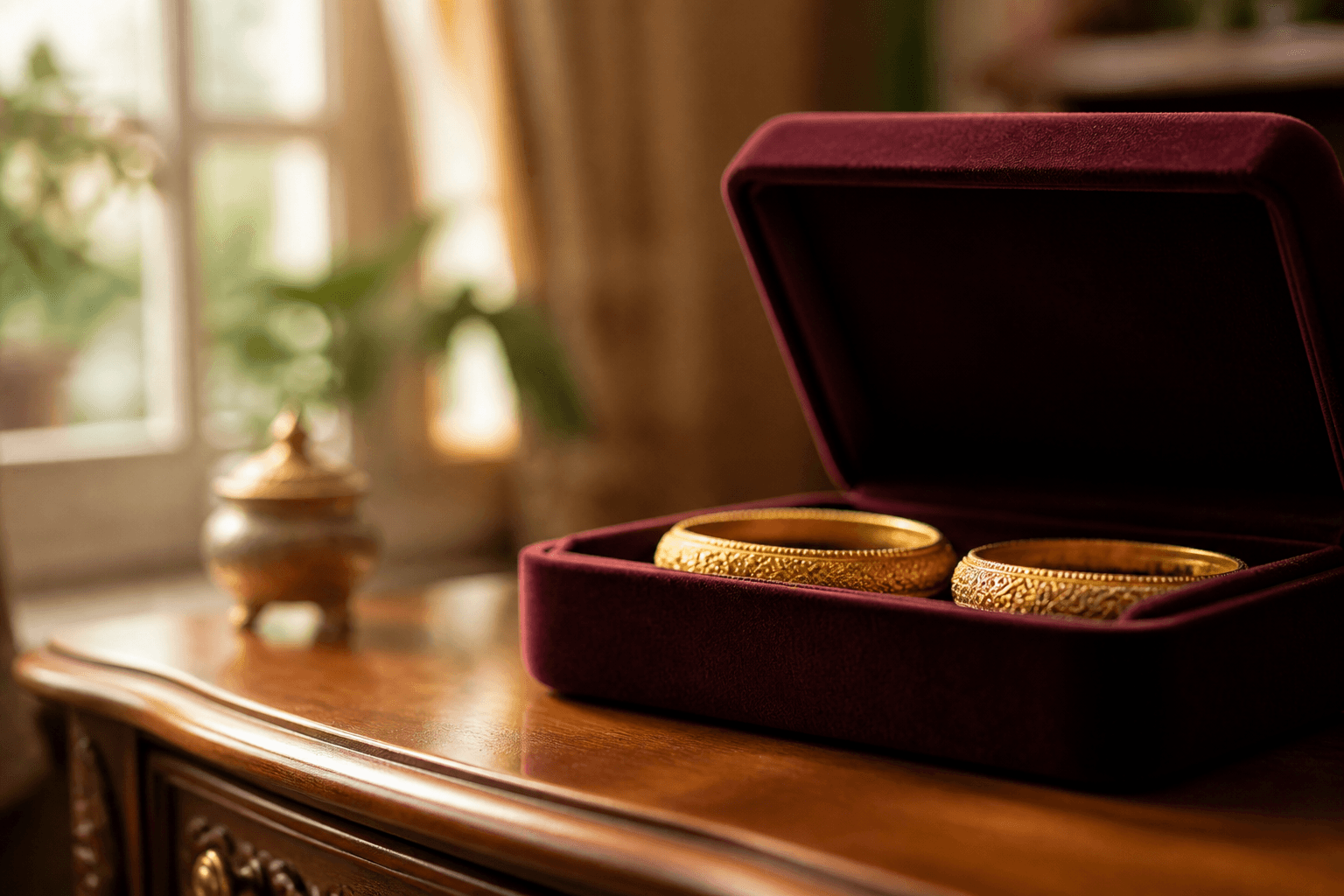
02Home Storage — Minimum Standards
- Use a quality safe bolted or otherwise secured — not a suitcase
- Avoid obvious bedroom-drawer hiding spots
- Limit who knows locations; avoid casual social media flexing
- Keep silica/dry conditions in mind for some storage boxes
- Never store all valuables in one trivially findable place
03Bank Lockers
A locker reduces theft-from-home risk; it does not replace insurance thinking or inventory discipline.
- Useful for high-value lots you rarely need day-to-day
- Understand locker agreement limits — banks often cap liability
- Pay dues on time; know nomination/operation rules
- Keep a home list of what sits in the locker (without public posting)
04Documentation Habit
- Invoices and hallmark photos in a cloud folder + offline copy
- Weight/purity notes per item
- Clear family understanding of ownership (especially gifted gold)
- Update the list after every purchase, sale, or exchange
05Insurance and Reality Checks
Home insurance riders for jewellery may help within limits and conditions — read exclusions (theft evidence, forced entry, valuation caps). Do not assume every piece is fully covered.
06Travel and Functions
- Carry only what you will wear
- Use hotel safes cautiously; prefer minimising what you travel with
- Photograph sets before big weddings if handing to relatives for dressing

07Final Thoughts
Safe gold storage is boring on purpose: secure place, limited access, written inventory, and invoices you can find in five minutes. Pair that with sensible product choices — less high-making jewellery sitting idle in a cupboard “as investment.”
Key takeaways
- Secure location + documentation beats clever hiding spots.
- Bank lockers help but have contractual limits — read them.
- Keep invoices and an ownership list updated.
- Insurance is conditional; verify cover before you rely on it.
Frequently asked questions
Is a bank locker 100% safe?+
Lockers are generally safer than casual home storage, but agreements often limit bank liability. Read terms and maintain your own inventory.
Should I store coins and jewellery together?+
You can, if the safe/locker is secure. Many families separate frequently worn pieces from rarely touched investment coins.
What if family members disagree on ownership?+
Clarify gifts and inheritance in writing while relations are calm. Ambiguity becomes painful during emergencies or partitions.
Are gold ETFs safer than physical storage?+
They remove household theft risk for that allocation, while introducing market and product risks. Many investors use financial gold for the portfolio sleeve and keep limited physical for culture/wear.
Read Rishtaara Editorial Policy → · Corrections Policy →
Done reading?
Browse more guides on careers, marketing, tools, and everyday skills — or copy this article to share later.